
You’re trying to have a simple conversation about dinner plans, and suddenly you’re navigating another wave of irritation. By evening, you may find yourself walking on eggshells, wondering what went wrong. You also wonder why your wife seems angry with you so often.
If this pattern feels relentless and confusing, you’re not alone.
In this article, we’ll explore common psychological roots of persistent anger, help you recognise the deeper issues that can fuel ongoing irritability, and offer practical, therapist-backed strategies, from managing anger safely to rebuilding connection through couples therapy.

Why Does My Wife Seem Angry All the Time?
Persistent anger often stems from unmet emotional needs, accumulated resentment, chronic stress, underlying mental health conditions like depression or anxiety, hormonal changes, or relationship communication breakdowns. Rather than a character flaw, chronic anger usually signals deeper unresolved issues requiring understanding, compassion, and professional support.
When anger becomes the dominant emotion in your relationship, it’s easy to feel blamed, confused, or hopeless. Think of persistent anger as a warning light on a car dashboard: the light itself isn’t the problem, it’s signalling that something under the bonnet needs attention.
In clinical practice, therapists regularly observe couples caught in this pattern. When partners can move past surface-level irritation and explore what’s really happening, the anger often reveals unmet needs, unspoken pain, or stress that’s been building for months or years.
Our integrative approach draws from CBT, acceptance and commitment therapy, compassion-focused therapy, and schema work to help couples understand these patterns.
The Psychology Behind Chronic Anger in Women: What Research Tells Us
Okay, so anger is showing up constantly in your relationship. But what’s actually happening beneath the surface? Let’s look at how emotions work at a psychological level.
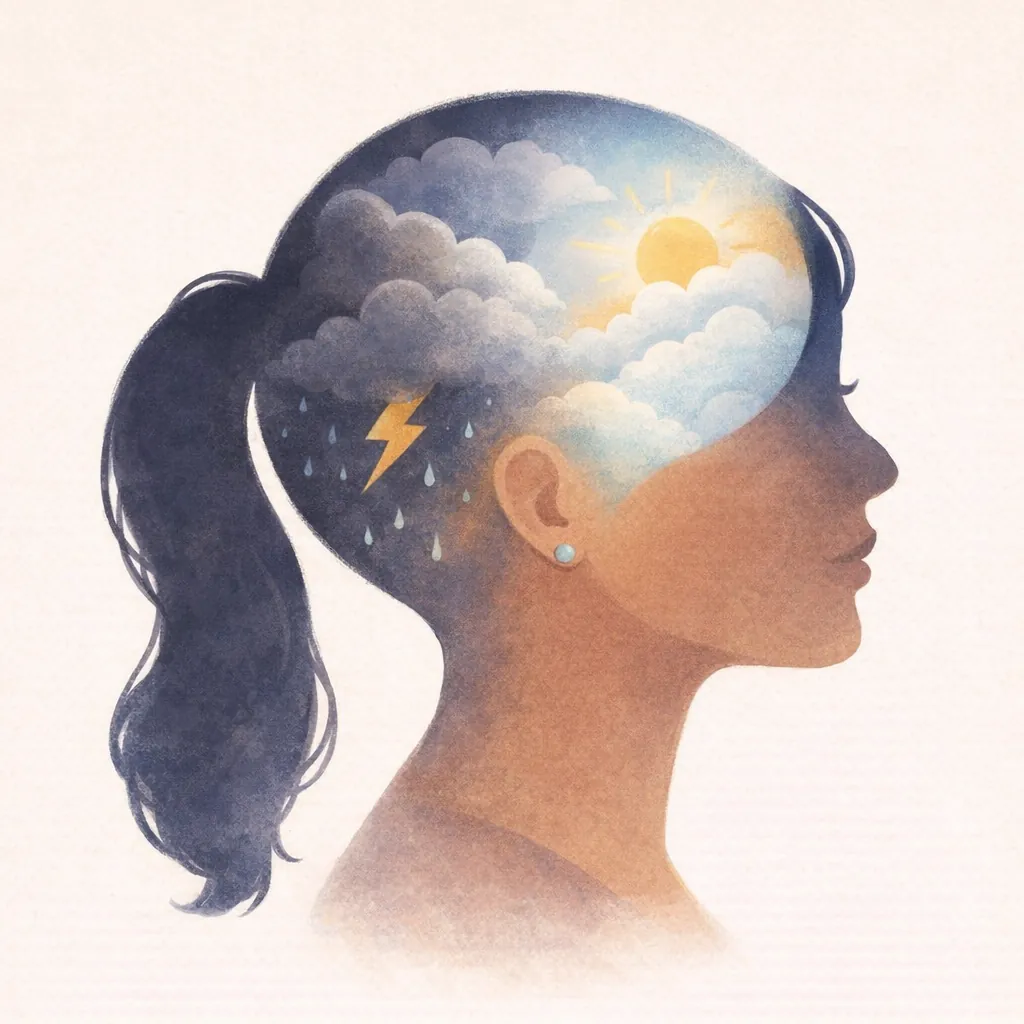
Anger is what therapists call a secondary emotion – it’s often a protective response that covers up more vulnerable feelings like hurt, fear, sadness, or shame [13].
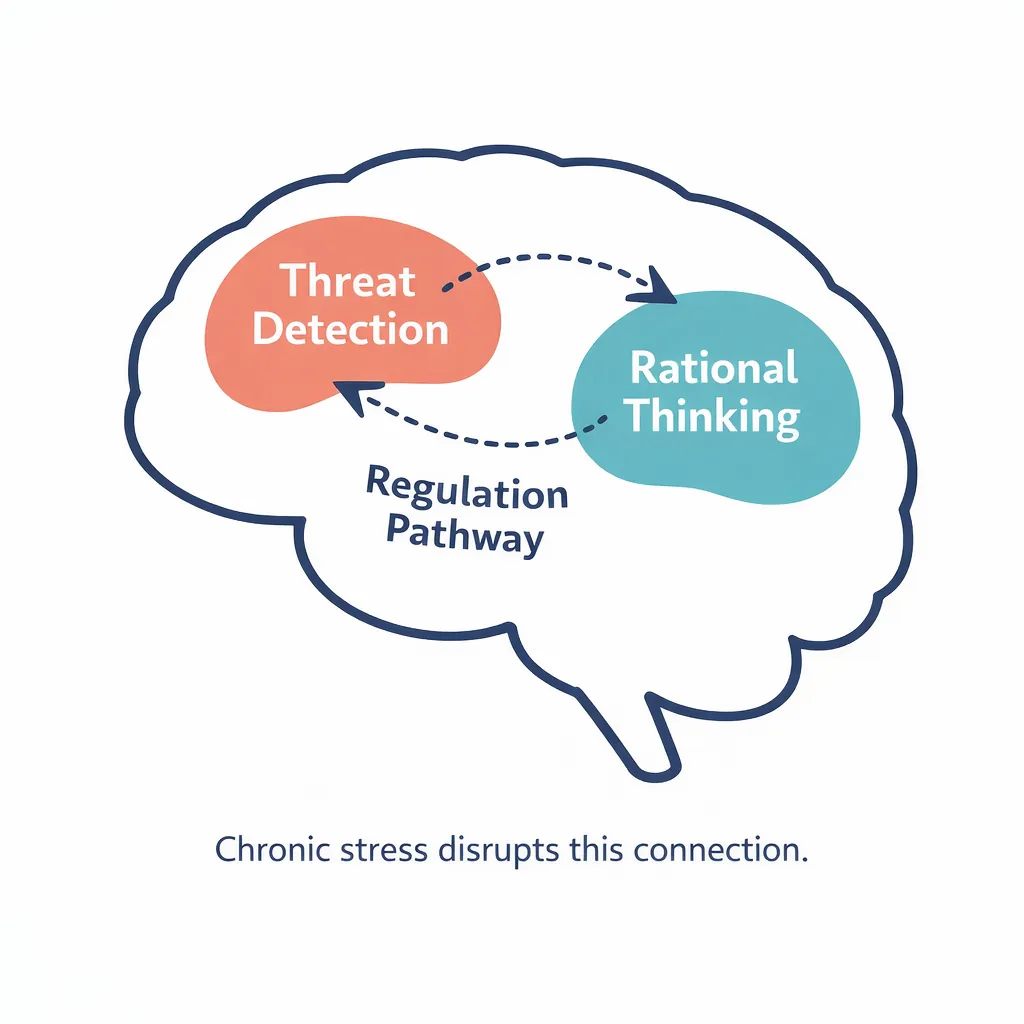
From a neurobiological perspective, chronic stress keeps the brain’s threat-detection system – the amygdala – on high alert [1]. When someone lives in prolonged stress or emotional overwhelm, their nervous system becomes hypersensitive to perceived threats, including everyday frustrations or minor conflicts.
Cognitive Behavioural Therapy (CBT) helps us understand this through the thought-feeling-behaviour cycle. Imagine this: the voice that whispers “nothing you do matters” at 2am becomes a background hum during the day. Those thoughts trigger that tight chest, the clenched jaw when another request goes unheard. Over time, this cycle becomes automatic – so ingrained she may not even notice it happening.
Anger is often one of the few outlets people use when sadness or fear feel too risky. In our clinical practice, we regularly see clients whose anger masks deep sadness about feeling disconnected, fear that their needs will never be met, or exhaustion from chronic stress.
Common Causes of Persistent Anger in Wives: Beyond Surface Frustrations
Moving on to the practical question: what specifically might be fuelling that anger in your wife’s case?
Whilst every relationship is unique, certain patterns emerge consistently when we work with couples experiencing chronic anger.
Unmet Emotional Needs and Accumulated Resentment
Picture this: She’s been saying she needs more than logistics conversations. She’s been asking you to notice when she’s struggling. She’s been hoping you’ll remember her birthday without a calendar reminder. Each time that doesn’t happen, another layer of resentment settles in: quiet, invisible, heavy.
One of the most frequent causes we see is the slow build-up of unmet needs over time. Your wife may have been communicating her needs, like emotional support, quality time, shared decision-making, or appreciation. When those needs go unheard, resentment grows. Eventually, even small oversights can trigger disproportionate anger because they’re landing on top of years of feeling undervalued.
The Invisible Mental Load and Emotional Labour
Consider this scenario: She’s the one who remembers the dentist appointments, notices when the school uniform’s too small, tracks what’s in the fridge, and mentally schedules every birthday card. That cognitive load – the invisible work of keeping life running – never stops. And when it goes unacknowledged, it turns into quiet, chronic irritability.
Gemma Hartley [11] mentioned the concept of the invisible mental load – managing household operations, family schedules, emotional wellbeing of children, and social obligations, often whilst working outside the home [2]. Looking closely there seems to be clearly a disparity: among parents in the UK, only 35% of women are satisfied with the division of mental work compared to 63% of men [3].
What this can mean is that when your wife carries this relentless mental load alone, chronic irritability is an understandable response to cognitive and emotional overwhelm. Moreover, mental load can bring higher rates of depression, stress, burnout, and relationship strain in women [4].
Chronic Stress, Burnout, and Life Pressures
Work demands, parenting pressures, financial worries, and caring responsibilities create a perfect storm of chronic stress. When someone operates in survival mode for extended periods, their capacity for patience, emotional regulation, and resilience diminishes dramatically.
Depression Presenting as Anger and Irritability
Depression in women frequently shows up as irritability and anger instead of sadness [5]. Around one-third of people treated for depression have had anger attacks.
If your wife’s anger does come with other symptoms, like sleep changes, fatigue, loss of interest in activities, difficulty concentrating, feelings of hopelessness, it’s actually possible that depression may be the underlying issue that needs professional assessment.
Past Trauma and Communication Breakdown
Sometimes persistent anger has roots that predate your relationship entirely. Past experiences of trauma, loss, or betrayal can create emotional wounds that remain unhealed. Additionally, when couples fall into negative communication patterns, such as criticism, defensiveness, stonewalling, or contempt [10], both partners end up feeling unheard and misunderstood.

| Surface Trigger (What you see) | Possible Underlying Cause (What it might signal) |
|---|---|
| Snaps at small inconveniences | Chronic stress, burnout, feeling overwhelmed |
| Defensive during conversations | Feeling criticised, unheard, or invalidated |
| Irritable after work | Work stress, lack of boundaries, exhaustion |
| Angry about household tasks | Resentment over unequal domestic labour, invisible mental load |
| Short-tempered with children | Parenting burnout, lack of support, feeling isolated |
| Critical of your actions | Accumulated resentment, unmet relationship needs |
Warning Signs That Anger May Indicate Deeper Issues
Not all anger is created equal. Certain patterns suggest that professional support is needed.

When Anger Accompanies Other Concerning Symptoms
If her anger comes with persistent sadness, chronic headaches, or sleepless nights, there is a possibility that something deeper is happening, and it needs attention now.
Pay attention if your wife’s anger occurs alongside significant changes in appetite or sleep, difficulty concentrating, expressions of hopelessness, or increased use of alcohol or substances. These combinations often indicate underlying mental health conditions like depression, anxiety disorders, or trauma responses that require professional assessment [14].
Anger That’s Disproportionate to Situations
If your wife’s anger is consistently disproportionate to the triggering event (exploding over minor issues, staying angry for days about small conflicts), this suggests her emotional regulation system is overwhelmed. Disproportionate anger often signals unprocessed trauma, chronic emotional overwhelm, deep-seated resentment, or anxiety disorders.
When Communication Efforts Repeatedly Fail
If you’ve tried honest conversations, relationship books, or sincere efforts to change your behaviour, but nothing makes a lasting difference, this is a critical sign that deeper issues need professional intervention.
Verbal, Emotional, or Physical Escalation
If anger escalates into verbal abuse, emotional abuse, or any physical aggression, immediate professional intervention and safety planning are necessary. If you feel unsafe, contact specialist services like Respect Men’s Advice Line (0808 801 0327) [9] or speak to your GP.
| Warning Sign | What It Might Indicate | Recommended Action |
|---|---|---|
| Anger + withdrawal, fatigue, hopelessness | Depression (irritability as primary symptom in women) | GP assessment, individual therapy, depression screening |
| Anger + physical symptoms (headaches, insomnia) | Chronic stress, anxiety, burnout | Stress management, therapy, medical check-up |
| Anger disproportionate to situation | Past trauma, unresolved grief, emotional dysregulation | Trauma-informed therapy (EMDR, CBT) |
| Anger + substance use increase | Maladaptive coping, possible addiction risk | Addiction services, couples + individual therapy |
| Anger + verbal/emotional abuse | Relationship dysfunction, possible abuse pattern | Immediate safety assessment, specialist support (UK: Respect, Women’s Aid) |
| Anger unchanged despite communication efforts | Deep resentment, relationship breakdown risk | Urgent couples therapy, separation assessment |
Recognising these signs is the first step. Professional support can help you both understand and address the underlying issues. Explore our couples therapy services to learn how we can help.
How Chronic Anger Affects Your Marriage: The Emotional Toll
Living with persistent anger takes a profound toll on both partners and the relationship itself.
The Distance That Grows Between You
You’re both on the sofa. The TV’s on. You could reach out and touch her hand, but you don’t. That space between you feels like miles. That’s the distance chronic anger builds: you’re in the same room, living separate lives.
Chronic anger creates emotional distance even when you’re physically together [12]. You might notice walking on eggshells, emotional withdrawal, loss of intimacy, or parallel lives where you function as housemates rather than partners.
The Impact on Your Mental Health
Being on the receiving end of chronic anger affects your own mental health. Many partners experience anxiety about coming home, depression from feeling constantly criticised, low self-esteem, or emotional exhaustion. Your wellbeing matters too.
The Shared Pain Both Partners Experience
Your wife is suffering too. Chronic anger is exhausting and isolating for the person experiencing it. She likely feels out of control, experiences guilt and shame after outbursts, wishes things were different, and feels deeply misunderstood.

What You Can Do: Supporting Your Wife and Rebuilding Connection
Understanding chronic anger is the first step, but knowing how to respond practically is where you can make real change begin.

Listen Without Defensiveness
When she’s angry, your first instinct is to explain yourself, to fix it, to make her see you’re not the enemy. Resist that. Just listen.
Reflect back what you hear: “It sounds like you’re feeling overwhelmed.” Validate her feelings even if you disagree: “I can understand why that would be frustrating.” Ask open questions that invite honesty: “What would feel most supportive to you right now?” These aren’t scripts to memorise; they’re ways to show you’re genuinely hearing her.
Take Genuine Responsibility
Examine your own behaviour honestly. Are you genuinely carrying your fair share of household and emotional labour, or waiting to be asked? Do you proactively manage tasks – noticing what needs doing before she points it out? When you make mistakes, do you offer genuine apologies and actually change behaviour, or just say sorry and repeat the pattern?
Share the Mental Load Proactively
You might think helping when asked is enough, but by the time she’s asking, she’s already done the invisible work of noticing, planning, and deciding what needs doing. That’s the load. Sharing it means you notice the school permission slip, you book the car MOT, you remember her mum’s birthday without prompts. It’s not about earning points – it’s about genuinely carrying the cognitive weight together.
Don’t wait to be asked. Anticipate needs, own entire tasks from start to finish, manage family logistics yourself, and take initiative rather than waiting for direction.
Encourage Professional Help
Frame therapy as team support: “I think we could both benefit from professional help understanding what’s happening between us.” Offer to attend together: this isn’t about fixing her, it’s about you both getting support.
In the UK, you can access NHS Talking Therapies through your GP or via self-referral [6]. Recent data shows that 89.7% of patients wait less than 6 weeks for their first appointment [7]. You can also explore couples counselling through Relate, or consider integrative services like Therapy Central that offer both online and London-based support with flexible scheduling.
| Therapy Type | Best For | What It Involves | Typical Timeline |
|---|---|---|---|
| Couples Therapy (EFT, Gottman Method) [8] | Relationship patterns, communication, rebuilding connection | Both partners attend; focus on interaction patterns and emotional needs | 12-20 sessions, sometimes longer |
| Individual Therapy for Depression/Anxiety (CBT) [6] | Underlying mental health conditions driving anger | One partner attends; addresses thought patterns, mood regulation | 8-16 sessions for structured CBT |
| Trauma-Informed Therapy (EMDR, Compassion-Focused) | Past trauma, unresolved grief, emotional dysregulation | Individual work processing past experiences affecting current responses | Variable, often 12-24 sessions |
| Integrative Approach (TC Model) | Complex situations needing multiple frameworks | Tailored combination of methods based on individual needs | Flexible, discussed collaboratively |
Self-Compassion Alongside Support
Care for your own wellbeing. Maintain your support network, pursue your own interests, consider individual therapy for yourself, set boundaries around unacceptable behaviour, and recognise your limits. You can’t fix this alone.
Maintaining Progress
You’ve started the hard work – understanding what’s beneath the anger, changing patterns, maybe even sitting in a therapist’s office together. That’s huge. And it’s also the beginning, not the end. Keeping that progress alive means regular, honest conversations where you both feel heard.
Weekly or fortnightly check-ins become your shared space to say what’s feeling good, what’s still hard, what you each need, and what you appreciate in each other.
Recognise and celebrate small improvements: notice when conflicts are resolved more calmly, your wife expresses difficult feelings without escalating, you’re both feeling more connected, or communication feels easier.
Develop relapse-prevention strategies by identifying early warning signs, having a plan for when stress increases, and normalising setbacks. Progress isn’t linear; having a plan reduces shame and panic when difficulties arise.

Moving Forward With Understanding and Hope
Chronic anger in marriage is painful for both partners, but it’s rarely insurmountable. When you understand anger as a signal rather than a character flaw – when you can look beneath the surface to see the unmet needs, accumulated stress, or underlying mental health conditions – you create space for genuine healing.
The strategies we’ve explored aren’t quick fixes. Real change takes time, patience, and often professional guidance. But with commitment, understanding, and the right support, couples move through chronic anger to rediscover the connection and partnership they once shared.
Therapy Central’s qualified and experienced therapists and psychologists offer compassionate, evidence-based couples counselling online and across London, with flexible scheduling including early morning, evening, and weekend sessions. We understand the complexity of chronic anger in relationships and we’re here to help you both find your way back to each other. Book a free 15-minute consultation to discuss how we can support your journey.
FAQ
Is it normal for my wife to be angry all the time?
Persistent anger isn’t typical in healthy relationships and often signals underlying issues like chronic stress, unmet needs, depression, or communication problems. Whilst occasional irritability is normal, constant anger warrants compassionate exploration and potentially professional support to address root causes.
What are the most common reasons wives experience chronic anger?
Common causes include accumulated resentment from unmet emotional needs, chronic stress from work or parenting, untreated depression or anxiety, hormonal fluctuations, past trauma, relationship communication breakdowns, feeling unheard or undervalued, and burnout from managing invisible mental loads.
Could my wife's anger be a sign of depression?
Yes. Depression in women often manifests as irritability and anger rather than sadness. If her anger accompanies fatigue, withdrawal, sleep changes, or loss of interest in activities, depression may be an underlying factor requiring professional assessment and support.
How can I support my wife if she's always angry?
Listen without defending yourself. Validate what she’s feeling, even if you disagree. Ask what she genuinely needs. Take responsibility for your part. Suggest couples therapy together. Share the household and parenting loads more fairly. Create regular space for calm, honest conversations.
When should we seek professional help for anger in our marriage?
Seek help if anger persists despite efforts to communicate, involves verbal or emotional abuse, impacts daily functioning or children, stems from past trauma, or if either partner feels unsafe, hopeless, or unable to resolve issues independently. Early intervention strengthens outcomes.
Can chronic anger in marriage be resolved?
Yes, with commitment from both partners. Effective couples therapy, individual counselling for underlying issues, improved communication skills, and addressing unmet needs can significantly reduce chronic anger and rebuild connection. Change requires patience, empathy, and professional guidance.