
What Does It Mean to Accept Yourself?
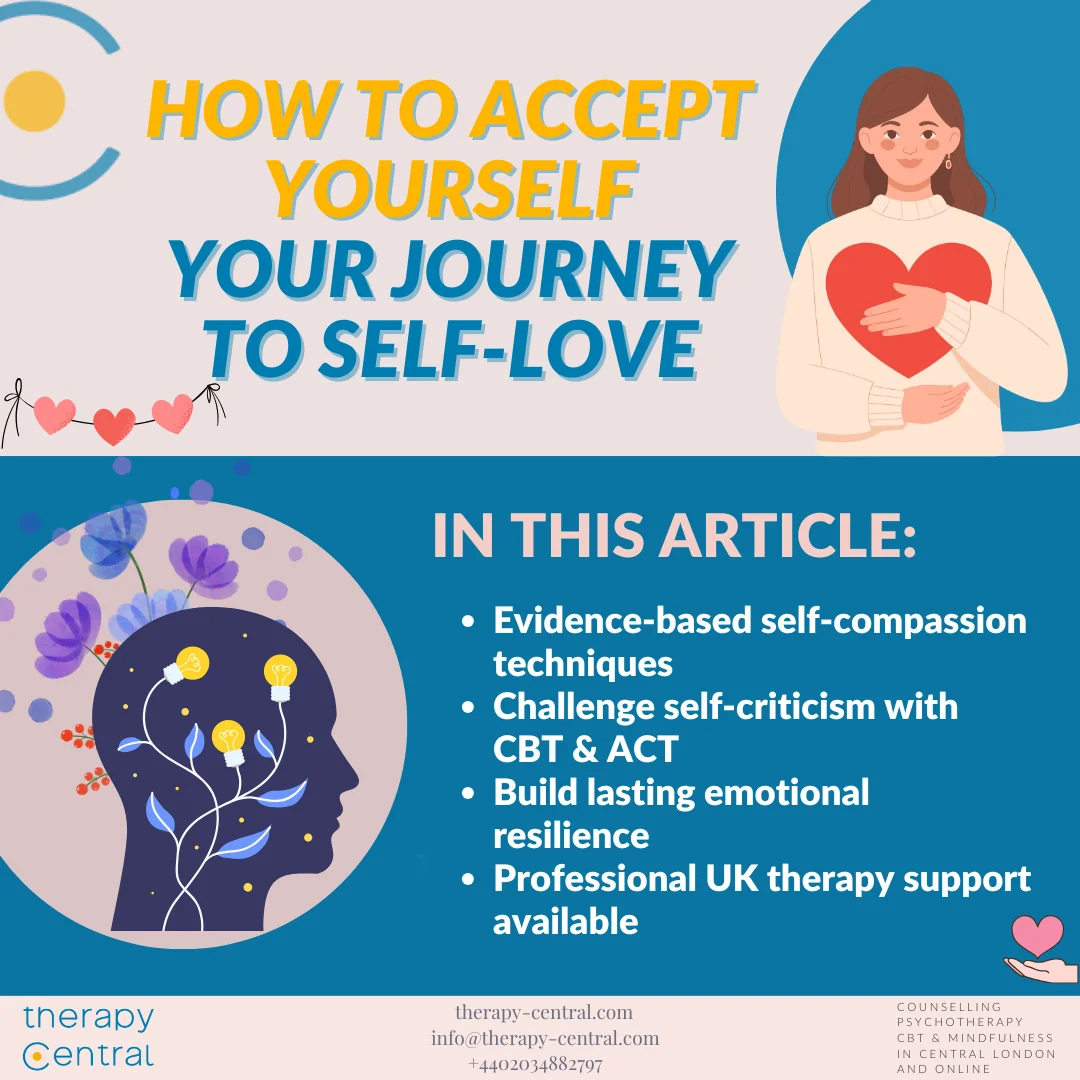
Self-acceptance means acknowledging your complete self – strengths, weaknesses, and imperfections – without harsh self-judgment. It involves recognising your inherent worth as a person, independent of achievements, and treating yourself with the same compassion you’d show a good friend.
Think of self-acceptance not as resignation, but as a foundation for growth. When you accept yourself as you are right now, you create a secure base from which genuine change can happen. It’s about separating your identity from your behaviours – recognising that making mistakes doesn’t make you a mistake.
Self-acceptance differs from self-esteem in important ways. While self-esteem often depends on achievements or meeting certain standards, self-acceptance remains stable regardless of external circumstances. If you’re struggling with low self-esteem, developing self-acceptance can provide a more stable foundation for well-being.
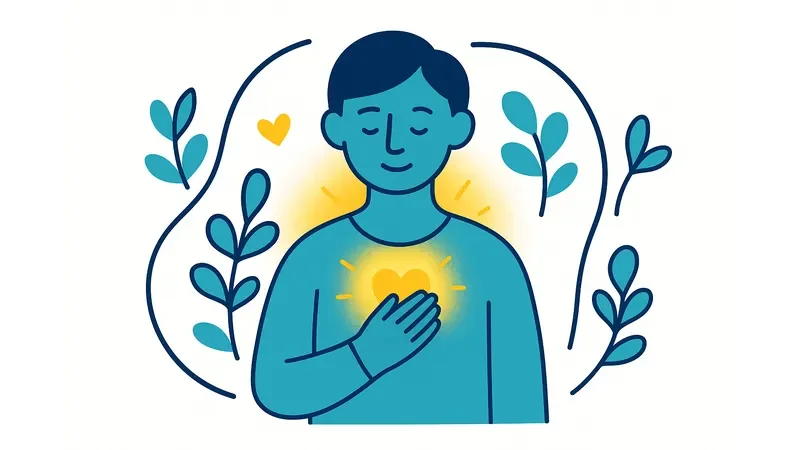
The Difference Between Self-Acceptance and Self-Esteem
This table highlights the key differences between self-acceptance and self-esteem:
| Aspect | Self-Acceptance | Self-Esteem |
|---|---|---|
| Foundation | Unconditional recognition of inherent worth | Performance-based evaluation of worth |
| Stability | Remains constant through successes and failures | Fluctuates with achievements and setbacks |
| Focus | Embracing the whole self, including imperfections | Maintaining positive self-image |
| Conditions | No conditions required | Often conditional on meeting standards |
| Relationship to Growth | Provides secure base for authentic change | Can create pressure and fear of failure |
Understanding this distinction helps you recognise that pursuing self-acceptance doesn’t mean abandoning your goals. Rather, you approach your life and development from wholeness rather than deficit.
Why Self-Acceptance Matters for Your Mental Health
Research consistently shows that self-acceptance links strongly to psychological well-being. When you accept yourself, you’re less vulnerable to anxiety, depression, and chronic stress. You make decisions based on your authentic values rather than seeking external validation, and you’re more resilient when facing challenges.
Self-acceptance also improves your relationships. When you’re not constantly defending against your own self-criticism, you can be more present and genuine. You’re less likely to interpret others’ actions as criticism, and more able to accept feedback without feeling personally attacked.
From a therapeutic perspective, self-acceptance sits at the heart of several evidence-based approaches. Acceptance and Commitment Therapy (ACT) explicitly focuses on accepting your thoughts and feelings rather than fighting them. Mindfulness-based approaches help you observe yourself without judgment. Even traditional CBT recognises that accepting yourself makes it easier to identify and change unhelpful thinking patterns.
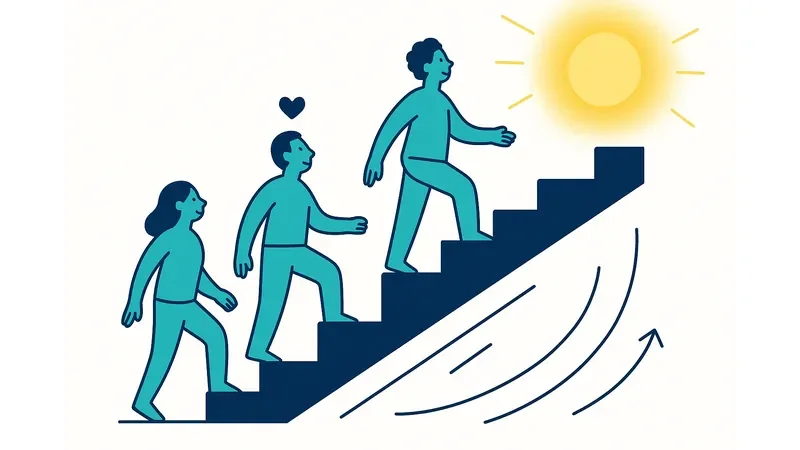
The Psychology Behind Self-Rejection
Why do so many of us struggle to accept ourselves? The roots often lie in early experiences and the messages we internalised about what makes someone valuable. If you grew up receiving conditional approval – love that depended on performance or achievement – you may have learned that your worth is contingent rather than inherent.
Cultural factors play a significant role too. We live in a society that constantly encourages comparison and competition. Social media amplifies this, presenting carefully curated highlights from others’ lives while we experience the full, messy reality of our own.
Common Patterns That Block Self-Acceptance
- Perfectionism: Believing you must be flawless to be acceptable.
- Comparison thinking: Measuring your worth against others’ achievements or qualities.
- All-or-nothing thinking: Seeing yourself as either completely good or completely bad.
- Mind reading: Assuming others judge you harshly (often projecting your own self-criticism).
- Conditional self-worth: Tying your value to specific achievements, roles, or others’ approval.
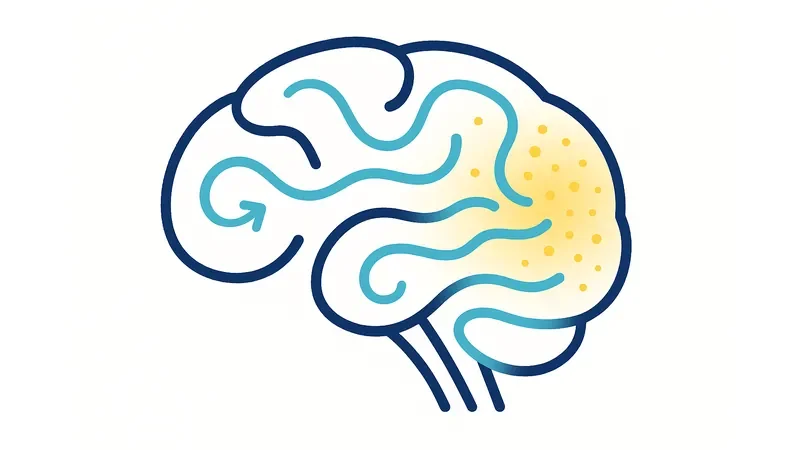
From a neurological perspective, repeated self-criticism creates established neural pathways that make harsh self-judgment feel automatic. The good news? Neuroplasticity – your brain’s ability to form new connections – means you can develop new patterns of self-compassion and acceptance.
8 Practical Steps to Accept Yourself Completely
These evidence-based strategies draw from CBT, ACT, and mindfulness-based approaches to help you develop a more compassionate relationship with yourself.
1. Practice Self-Compassion Daily
Self-compassion involves treating yourself with the same kindness you’d offer a good friend. When you notice self-criticism arising, pause and ask: “What would I say to a friend in this situation?” Then direct those same supportive words toward yourself.
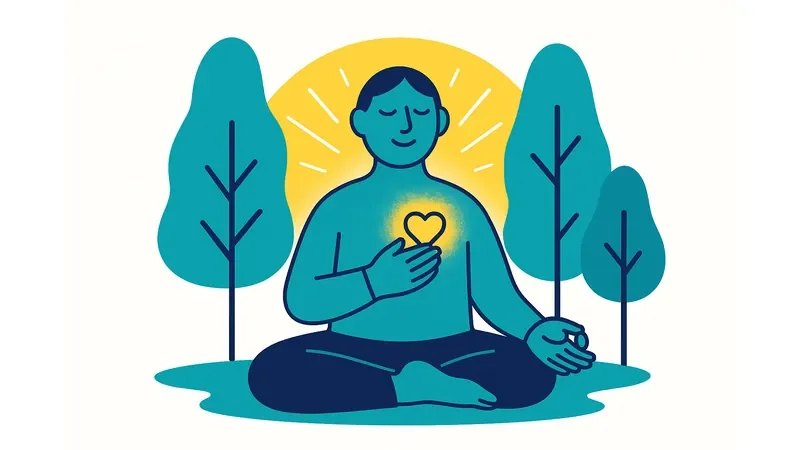
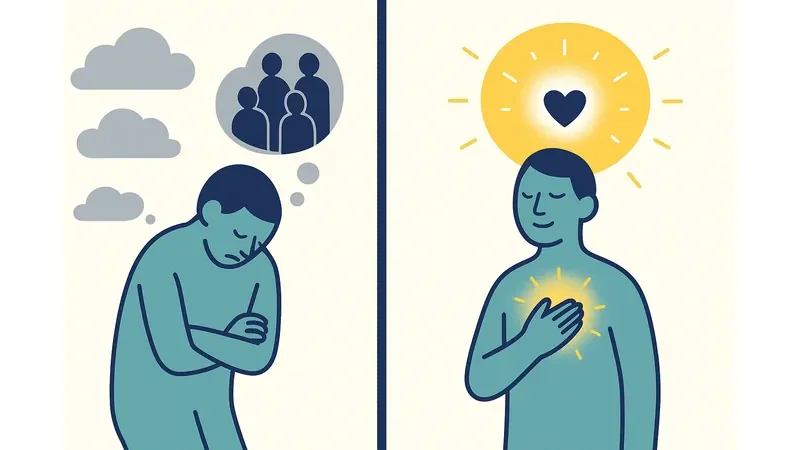
Dr. Kristin Neff’s research 1 identifies three elements of self-compassion: self-kindness, common humanity (recognising that struggle is part of being human), and mindfulness. Try this daily practice: Each morning, place your hand on your heart and say, “May I be kind to myself today. May I accept myself as I am.”
2. Challenge Your Inner Critic
Your inner critic isn’t always telling you the truth – it’s often repeating old messages or making predictions based on fear. When you notice harsh self-judgment, write it down and examine it objectively.
Ask yourself:
- What evidence supports this thought? What contradicts it?
- Am I using all-or-nothing thinking or mind reading?
- What would a compassionate friend say?
- Does this thought help me or hurt me?
This cognitive approach, drawn from CBT, helps you recognise that thoughts are mental events rather than facts 2. You don’t have to believe every thought your mind produces.
3. Develop Mindful Awareness
Mindfulness creates space between you and your thoughts, allowing you to observe without immediately reacting. Start with brief exercises: Take three conscious breaths, noticing the sensation of breathing.
When self-critical thoughts arise, pause and simply notice: “I’m having a thought that I’m not good enough.” This subtle shift – from “I am not good enough” to “I’m having a thought that I’m not good enough” – creates psychological distance and choice.
Research shows that even short daily mindfulness practices can reduce self-criticism over time 3. Start with just five minutes per day.
4. Embrace Your Imperfections
Accepting yourself doesn’t mean pretending you’re perfect – it means acknowledging your imperfections as part of your humanity. Everyone has flaws and makes mistakes.
Make a list of qualities you’ve been rejecting about yourself. For each one, explore: How is this quality human rather than shameful? Has it ever served a purpose? Can I acknowledge it without defining myself by it?
This practice, informed by ACT principles, helps you hold all parts of yourself with equal acceptance 4. Paradoxically, this acceptance often creates more space for authentic change than constant self-criticism ever could.
5. Stop Comparing Yourself to Others
Comparison damages self-acceptance because it’s fundamentally unfair – you’re comparing your internal experience (doubts, struggles, insecurities) with others’ external presentation. You see your behind-the-scenes while watching everyone else’s highlight reel.
When you notice yourself comparing, practice refocusing: “This is someone else’s journey. My path is different, and that’s okay.”
Consider taking breaks from social media if you find it triggers comparison. Research indicates that social media use links to increased comparison and decreased self-acceptance, particularly among young adults 5.
6. Acknowledge Your Achievements and Strengths
While self-acceptance doesn’t depend on achievements, recognising your strengths helps balance the negativity bias – your brain’s tendency to focus on what’s wrong. Keep a “strengths journal” where you note times you handled something well or challenges you’ve overcome.
This isn’t about inflating your ego. It’s about developing a balanced, realistic view that includes both your strengths and areas for growth.
Ask trusted friends what they value about you. Often, others see qualities we’re blind to ourselves.
7. Set Boundaries and Honour Your Needs
Self-acceptance includes accepting your needs and limits as valid. If you constantly override your boundaries to please others, you’re sending yourself the message that your needs don’t matter. Honouring your needs supports self-acceptance.
Practice identifying your limits: What drains your energy? Where do you need to say “no” more often? Setting boundaries isn’t selfish – it’s necessary for sustainable well-being.
Start small. Decline social invitations when you genuinely need rest, or speak up when someone’s behaviour bothers you.
8. Practice Acceptance of Your Body
Rather than fighting against your body or waiting to accept yourself until your body looks different, practice gratitude for what your body allows you to do.
Try this body appreciation exercise: Each day, thank your body for one thing. “Thank you, legs, for carrying me through my day.” This shifts your relationship with your body from criticism to appreciation.
Challenge appearance-focused thoughts by asking: “If I wasn’t thinking about how I look right now, what would I be thinking about or doing?”
Overcoming Common Self-Acceptance Challenges
Even with consistent practice, you’ll encounter obstacles. Recognising these common challenges helps you navigate them more effectively.
When Self-Acceptance Feels Like Giving Up
Many people worry that accepting themselves means they’ll stop trying to improve. This fear is understandable but misguided. Self-acceptance actually provides a more stable foundation for change than self-criticism.
When you’re constantly criticising yourself, you operate from “I’m not okay as I am” – which creates anxiety. When you accept yourself, you approach change from “I’m okay as I am, and I’m capable of growth” – a much more empowering position.
Research supports this: Self-compassion and acceptance associate with greater motivation for personal development, not less 6. When you accept yourself, you’re free to make changes because you want to, not because you need to in order to be acceptable.
Dealing with Past Mistakes and Regret
Self-acceptance includes accepting your past self, even when you wish you’d made different choices. If you’re struggling with regret, try this perspective: You made the best decisions you could with the awareness and resources you had at the time.
Consider: What has this experience taught you? How have you grown from it? Can you forgive your past self for being imperfect and learning through experience, as all humans do?
Working with Shame
Shame – the belief that you are fundamentally bad or defective – is perhaps the biggest obstacle to self-acceptance. Shame thrives in secrecy, so bringing it into the light is often the first step in releasing it.
Consider sharing your shame experiences with a trusted friend, support group, or therapist. Often, you’ll discover that what feels shamefully unique about you is actually a common human experience.
Building Self-Compassion: Your Foundation for Acceptance
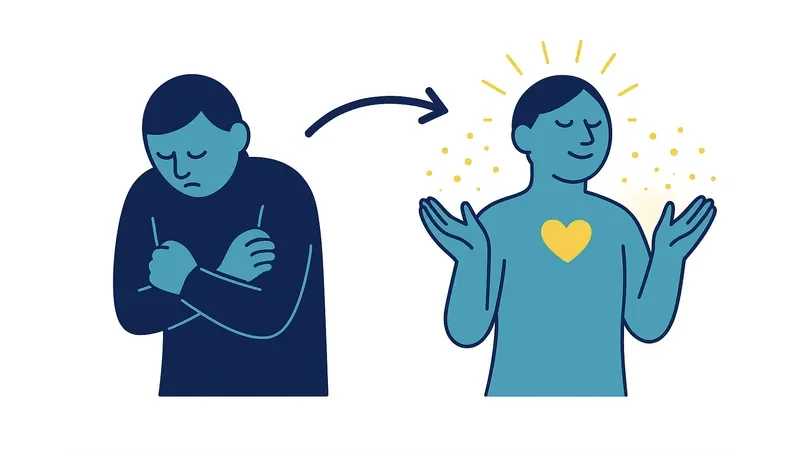
Self-compassion is the active practice of self-acceptance. Developing self-compassion involves specific, learnable skills.
Self-Compassion Techniques by Therapy Type
| Therapy Approach | Key Self-Compassion Technique | How It Works |
|---|---|---|
| CBT | Compassionate reframing | Identify critical thoughts and rephrase them in supportive language |
| ACT | Defusion from self-criticism | Notice thoughts as mental events rather than truths |
| DBT | Radical acceptance | Accept reality as it is, including yourself, without judgment |
| MBSR | Self-compassion meditation | Directed practices cultivating kindness toward yourself |
Different approaches work for different people. Experiment with several to discover which resonates most with you.
One universally helpful practice is the self-compassion break, developed by Dr. Kristin Neff 7. When you’re struggling, pause and acknowledge: “This is a moment of suffering” (mindfulness). “Suffering is part of life” (common humanity). “May I be kind to myself” (self-kindness).
When to Seek Professional Support for Self-Acceptance
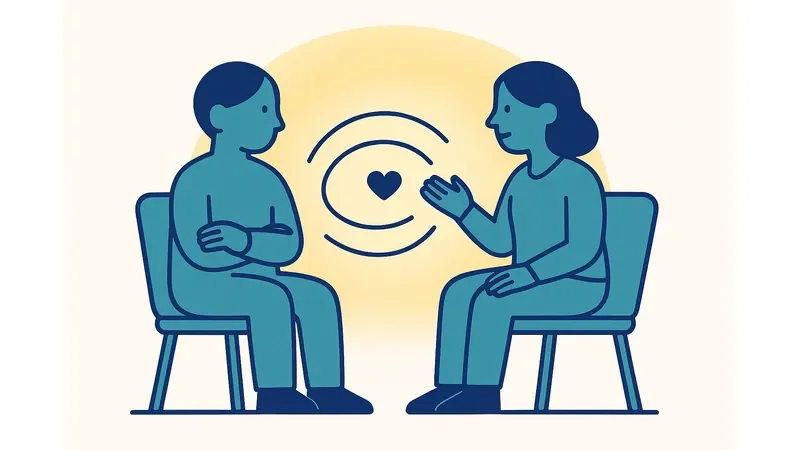
While self-acceptance practices can be deeply helpful, there are times when working with a therapist provides essential support. Consider professional help if:
- Self-criticism is severe, persistent, and significantly impacts your daily functioning.
- You experience intense shame that interferes with relationships or life activities.
- Self-rejection links to trauma that requires specialised treatment.
- You’re experiencing depression, anxiety, or other mental health conditions alongside self-acceptance struggles.
- You’ve been practisng self-acceptance techniques consistently but aren’t seeing improvement.
Several therapy approaches specifically support self-acceptance work:
- Acceptance and Commitment Therapy (ACT) focuses explicitly on psychological flexibility and accepting your inner experience
- Cognitive Behavioural Therapy (CBT) helps identify and change self-critical thinking patterns
- Compassion-Focused Therapy (CFT) directly builds self-compassion skills.
In the UK, you can access therapy through the NHS via your GP’s referral to IAPT (Improving Access to Psychological Therapies) services, which offer evidence-based treatments including CBT. Private therapy is also available. We at Therapy Central provide both online therapy throughout the UK and in-person sessions in London, with flexible scheduling to accommodate your needs.
Moving Forward with Self-Acceptance
Building self-acceptance is a lifelong practice, not a destination you reach and maintain effortlessly. You’ll have days when self-compassion flows easily and days when self-criticism returns. This is normal and doesn’t mean you’ve failed.
What matters is bringing awareness to these patterns and consistently choosing, in each moment you can, to relate to yourself with kindness rather than harshness. Each time you notice self-criticism and respond with compassion instead, you’re strengthening new neural pathways.
Remember that self-acceptance doesn’t require you to be perfect at accepting yourself – that would be another impossible standard. It simply asks that you keep showing up, keep practising, and keep treating yourself with the compassion you deserve.
If you’re finding it difficult to develop self-acceptance on your own, please know that support is available. Working with a qualified therapist can provide the guidance, tools, and compassionate presence that facilitate deeper self-acceptance work. Contact us for a free 15-minute consultation to explore how therapy might support your journey toward genuine self-love and acceptance.
FAQ
Why am I not accepting myself?
Self-rejection often stems from internalised criticism, perfectionism, and early childhood messages about worth. Negative self-talk patterns and comparing yourself to others create barriers to acceptance.
How to rewire your brain to love yourself?
Practice daily self-compassion exercises, challenge negative thoughts with evidence, use positive affirmations consistently, and engage in mindfulness meditation to create new neural pathways supporting self-love.
How to accept yourself and your body?
Focus on body gratitude, challenge appearance-based thoughts, engage in activities that make you feel strong, practice mirror work with compassion, and separate self-worth from physical appearance.
How do I accept where I am in life?
Practice present-moment awareness, acknowledge your journey’s unique timeline, celebrate small progress, release comparison to others, and focus on what you can control moving forward.
How to accept yourself and still make changes?
Recognise that self-acceptance doesn’t mean complacency. Accept your current self while working toward growth, separate identity from behaviours, and approach change from self-love rather than self-criticism.
How to accept yourself unconditionally?
Develop awareness of conditional self-worth patterns, practice forgiveness for mistakes, recognise your inherent human value, and consistently choose self-compassion over self-judgment in daily situations.